
Flood and catchment management
We need to look at the whole catchment, from erosion and forestry practices in the hill country to river channels, wetlands and the lakes. Prevention upstream is often more effective than repeatedly repairing damage downstream. That means stronger management of forestry slash, targeted erosion control, appropriate gravel management and restoring places where water can safely slow down and spread.
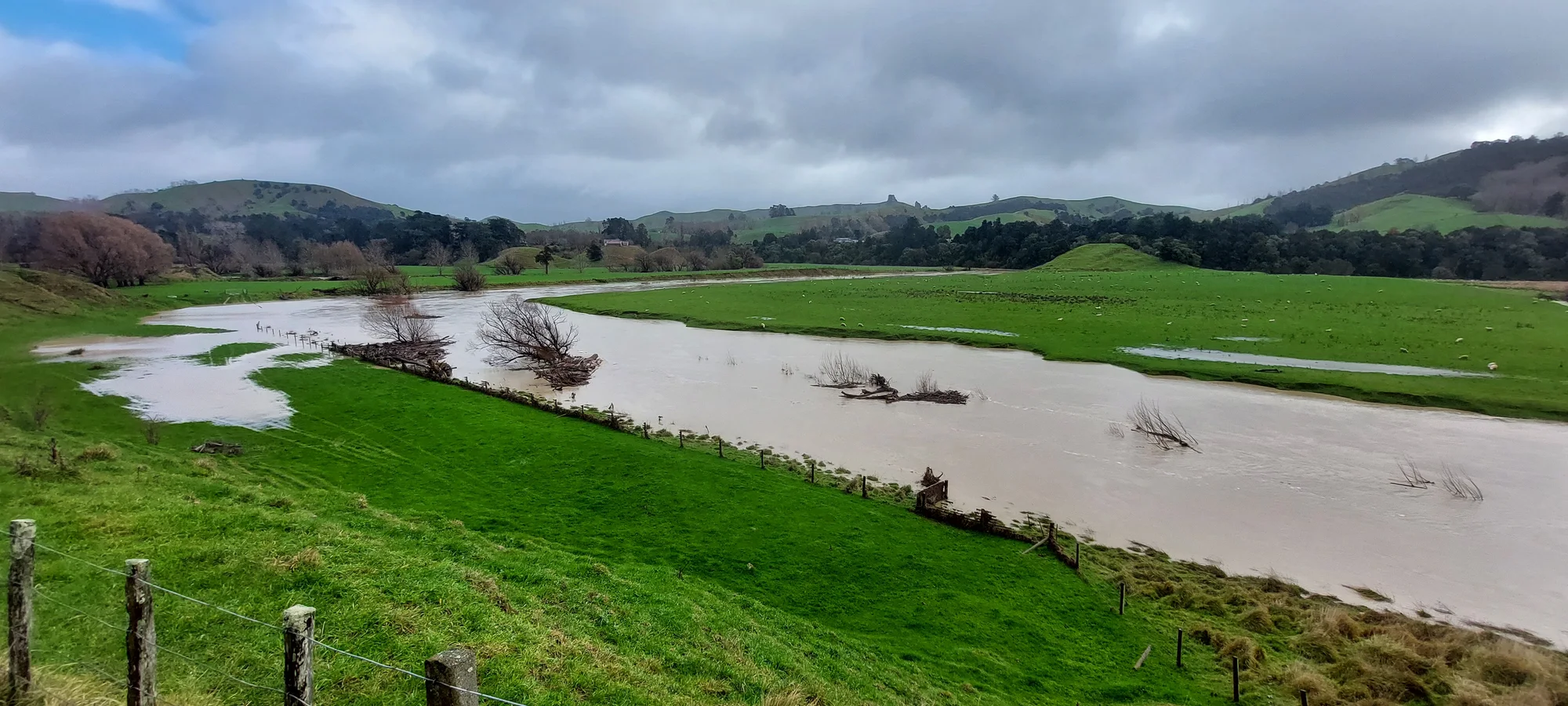
I served on the Ruamāhanga Whaitua Committee, and I continue to support its implementation programme. It called for integrated land and water management, slowing water across the catchment, restoring and creating wetlands, reducing sediment, and aligning flood-management investment with freshwater objectives. Those recommendations remain highly relevant.
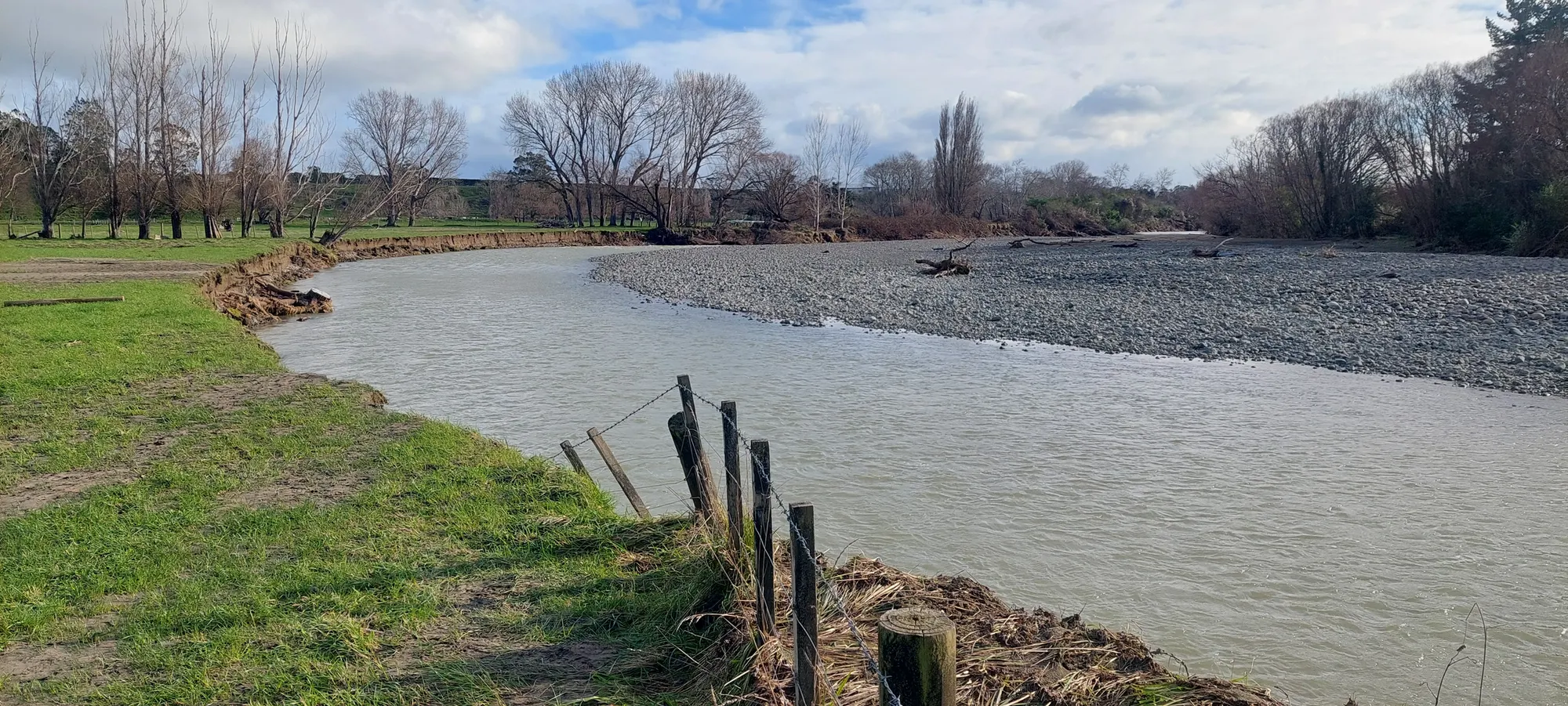
The recent floods in south Wairarapa have caused severe damage. A review of the Lower Wairarapa Valley Development Scheme is underway. I would work hard to ensure that all voices are heard in this process.
Working with iwi must also be genuine co-management and not consultation after decisions have effectively been made. The Wairarapa Moana Statutory Board has emphasised that restoration of Wairarapa Moana and the Ruamāhanga catchment must be guided by iwi values, mātauranga Māori and a whole-of-system approach. Its work highlights the need to treat the lakes, wetlands and river as one interconnected living system, to prioritise ecological health, and to commit to long-term, intergenerational restoration supported by clear governance and accountability.
We already have a practical partnership model through the Wairarapa Moana Wetlands Project, which brings together iwi, councils, Greater Wellington and the Department of Conservation.
As councillor, I would advocate for a jointly agreed restoration programme, measurable outcomes, transparent monitoring and sustained funding. We must protect people, businesses and productive land while restoring healthier rivers, wetlands and lakes. Those goals are not opposites; managed properly, they strengthen each other.
Public transport
I acknowledge the contribution of regional councillor and public transport advocate Adrienne Staples. Wairarapa commuters are expected to be travelling on the first fleet of battery-electric Tūhono trains in the southern hemisphere from 2030. If elected, I would like to make sure the rollout of the new trains and its associated infrastructure goes according to plan.
Local government change
I believe a Wairarapa unitary authority may have merit.
However, this comes with a caveat: The June 2026 Morrison Low Advisory report commissioned by the three Wairarapa district councils found that a standalone Wairarapa unitary authority is operationally feasible, could lower underlying running costs by 10–30%, but regional costs to Wairarapa were effectively subsidised by Wellington ratepayers. It would likely lead to higher local rates.
The MartinJenkins report also sounds a clear warning: it suggests a standalone Wairarapa authority could begin with an annual shortfall of about $8 million. That gap would have to be met through higher rates, reduced services, further savings or new sources of income.
Services like flood protection, erosion control, pest control and environmental management are not “nice to have”. I wouldn't like to see Greater Wellington reduce these services.
I would also make sure people are properly informed before any final decision is made. That means publishing clear, independent comparisons of the options in plain English, including the likely effects on rates, debt, assets, service levels and local representation.
The assumptions and uncertainties must be explained openly, not hidden in lengthy reports. I would support public meetings across Wairarapa, accessible online information and genuine opportunities for residents to ask questions and challenge the evidence.
Local government change is coming. My role would be to ensure Wairarapa has a strong voice in shaping it, and that we do not accept any arrangement that leaves us worse off.
One councillor cannot achieve these things alone. Wairarapa needs someone who can build relationships and support around the council table – not simply complain from the sidelines. I offer practical solutions, proven experience and a strong voice, firmly grounded in Wairarapa.